
 KES

Search
- Page Path
- HOME > Search
Original Articles
- Diabetes, obesity and metabolism
Big Data Articles (National Health Insurance Service Database) - A Nomogram for End-Stage Renal Disease Prediction in Patients with Type 2 Diabetes Mellitus: A Nationwide Cohort Study in Korea
- Inha Jung, Bong-Seong Kim, So Young Park, Da Young Lee, Ji Hee Yu, Ji A Seo, Kyung-Do Han, Nan Hee Kim
- Endocrinol Metab. 2026;41(2):245-255. Published online November 12, 2025
- DOI: https://doi.org/10.3803/EnM.2025.2570

- 3,639 View
- 95 Download
-
 Abstract
 PDF
 Supplementary Material
 PubReader
 ePub
- Background
Despite the rising incidence of end-stage renal disease (ESRD) among individuals with type 2 diabetes mellitus (T2DM) in Korea, no predictive model or nomogram has been developed using a nationwide cohort. In this study, we developed a nomogram to predict the long-term risk of ESRD in patients with T2DM using a large-scale, population-based Korean database.
Methods
Using the Korean National Health Insurance Database, patients with T2DM who underwent health examinations between 2015 and 2016 were assigned as development (n=1,744,277) and validation (n=747,407) cohorts. New ESRD cases were identified using codes for renal replacement therapy. A Cox proportional hazards regression model was used to derive a risk-scoring system, and 13 variables were selected. A risk score nomogram was then created to estimate the risk of ESRD.
Results
In the development cohort, 8,631 patients with T2DM developed ESRD during a follow-up period of 4.8±0.9 years. After multivariable adjustment, significant predictors of ESRD included male sex, current smoking, physical inactivity, low income, low body mass index, hypertension, low-density lipoprotein cholesterol ≥160 mg/dL, chronic kidney disease, insulin use, and longer duration of T2DM. A final nomogram incorporating 13 variables was developed to estimate the individual probability of ESRD. The concordance index for ESRD prediction in the validation cohort was 0.906 (95% confidence interval, 0.9 to 0.912).
Conclusion
This 13-variable nomogram provides a simple tool for identifying patients with T2DM at high risk of ESRD and may aid in early intervention.

- Thyroid
Big Data Articles (National Health Insurance Service Database) - Unveiling Risk Factors for Treatment Failure in Patients with Graves’ Disease: A Nationwide Cohort Study in Korea
- Jung A Kim, Kyeong Jin Kim, Jimi Choi, Kyoung Jin Kim, Eyun Song, Ji Hee Yu, Nam Hoon Kim, Hye Jin Yoo, Ji A Seo, Nan Hee Kim, Kyung Mook Choi, Sei Hyun Baik, Sin Gon Kim
- Endocrinol Metab. 2025;40(1):125-134. Published online January 13, 2025
- DOI: https://doi.org/10.3803/EnM.2024.2093

- 7,043 View
- 170 Download
- 3 Web of Science
- 3 Crossref
-
Abstract
PDFSupplementary MaterialPubReader ePub
- Background
Antithyroid drug (ATD) treatment is the preferred initial treatment for Graves’ disease (GD) in South Korea, despite higher treatment failure rates than radioactive iodine (RAI) therapy or thyroidectomy. This study aimed to evaluate the incidence of treatment failure associated with the primary modalities for GD treatment in real-world practice.
Methods
We included 452,001 patients diagnosed with GD between 2004 and 2020 from the Korean National Health Insurance Service-National Health Information Database. Treatment failure was defined as switching from ATD, RAI, or thyroidectomy treatments, and for ATD specifically, inability to discontinue medication for over 2 years.
Results
Mean age was 46.2 years, with females constituting 70.8%. Initial treatments for GD included ATDs (98.0%), thyroidectomy (1.3%), and RAI (0.7%), with a noted increment in ATD application from 96.2% in 2004 to 98.8% in 2020. During a median follow- up of 8.5 years, the treatment failure rates were 58.5% for ATDs, 21.3% for RAI, and 2.1% for thyroidectomy. Multivariate analysis indicated that the hazard ratio for treatment failure with ATD was 2.81 times higher than RAI. RAI treatments ≥10 mCi had 37% lower failure rates than doses <10 mCi.
Conclusion
ATDs are the most commonly used for GD in South Korea, followed by thyroidectomy and RAI. Although the risk of treatment failure for ATD is higher than that of RAI therapy, initial RAI treatment in South Korea is relatively limited compared to that in Western countries. Further studies are required to evaluate the cause of low initial RAI treatment rates in South Korea. -
Citations
Citations to this article as recorded by
- Nationwide Big Data Studies of Endocrine Diseases Using the Korean National Health Information Database: Research Trends and Standardization of Operational Definitions
Sun Wook Cho, Jung Hee Kim, Kyoung Jin Kim, Beom-Jun Kim, Mee Kyoung Kim, Eun Jung Rhee
Endocrinology and Metabolism.2026; 41(1): 86. CrossRef - Treatment of Graves’ Disease: Faster Remission or Longer but Safe, That Is the Question
Chan-Hee Jung
Endocrinology and Metabolism.2025; 40(1): 70. CrossRef - Process to radioactive iodine treatment for Graves’ hyperthyroidism: condemned or absolved?
Luigi Bartalena, Daniela Gallo, George J. Kahaly, Eliana Piantanida, Maria Laura Tanda
Journal of Endocrinological Investigation.2025; 48(9): 1927. CrossRef
- Nationwide Big Data Studies of Endocrine Diseases Using the Korean National Health Information Database: Research Trends and Standardization of Operational Definitions
- Diabetes, obesity and metabolism
- Impact of Chronic Kidney Disease and Gout on End-Stage Renal Disease in Type 2 Diabetes: Population-Based Cohort Study
- Inha Jung, Da Young Lee, Seung Min Chung, So Young Park, Ji Hee Yu, Jun Sung Moon, Ji A Seo, Kyungdo Han, Nan Hee Kim
- Endocrinol Metab. 2024;39(5):748-757. Published online August 30, 2024
- DOI: https://doi.org/10.3803/EnM.2024.2020

- 9,745 View
- 109 Download
- 8 Web of Science
- 10 Crossref
-
Abstract
PDFSupplementary MaterialPubReader ePub
- Background
We examined the impact of gout on the end-stage renal disease (ESRD) risk in patients with type 2 diabetes mellitus (T2DM) and determined whether this association differs according to chronic kidney disease (CKD) status.
Methods
Using the Korean National Health Insurance Service, this nationwide cohort study enrolled 847,884 patients with T2DM who underwent health checkups in 2009. Based on the presence of CKD (estimated glomerular filtration rate <60 mL/min/1.73 m2) and gout (two outpatient visits or one hospitalization within 5 years), patients were classified into four groups: CKD−Gout−, CKD− Gout+, CKD+Gout−, and CKD+Gout+. Patients with incident ESRD were followed up until December 2018.
Results
Among 847,884 patients, 11,825 (1.4%) experienced progression to ESRD. ESRD incidence increased in the following order: 0.77 per 1,000 person-years (PY) in the CKD−Gout− group, 1.34/1,000 PY in the CKD−Gout+ group, 8.20/1,000 PY in the CKD+Gout− group, and 23.06/1,000 PY in the CKD+Gout+ group. The presence of gout modified the ESRD risk in a status-dependent manner. Hazard ratios (HR) were 1.49 (95% confidence interval [CI], 1.32 to 1.69) and 2.24 (95% CI, 2.09 to 2.40) in patients without and with CKD, respectively, indicating a significant interaction (P<0.0001). The CKD+Gout+ group had a markedly higher risk of developing ESRD (HR, 18.9; 95% CI, 17.58 to 20.32) than the reference group (CKD−Gout−).
Conclusion
Gout substantially enhances the risk of ESRD, even in the absence of CKD. Concurrent CKD and gout synergistically increase the risk of ESRD. Therefore, physicians should carefully screen for hyperuricemia to prevent progression to ESRD. -
Citations
Citations to this article as recorded by- Undescribed phenylspirodrimane dimers with anti-gouty activity from the coral-derived fungus Stachybotrys chartarum
Shuang Lin, Yi-Fan Geng, Hanxiao Zeng, Zixue Chai, Baolei Fan, Jun-Cheng Su, Yonghui Zhang, Zhengxi Hu
Phytochemistry.2026; 248: 114891. CrossRef - Gout in the era of multimorbidity: pathogenesis, systemic comorbidities, and evolving therapeutic strategies
Phillip J Kim, Jihun Kang, Jesang Yu, Geun-Tae Kim, Yunkyung Kim
Kosin Medical Journal.2026; 41(1): 26. CrossRef - Acute gout attack in a peritoneal dialysis patient treated with Firsekibart: a case report
Wenqian Wei, Lijie Gu, Hanyu Meng, Nan Zhu, Shu Rong
Open Medicine.2026;[Epub] CrossRef - Polydatin alleviates adenine-induced nephropathy in mice
Tao Sheng, Tianhong Ma, Xin Jin, Debin Chen, Shipeng Che, Jie Wang, Jiadu Shen, Chaoqun Shi, Qiang Li, Yixin Sun, Deqing Chen, Guangtao Xu
Renal Failure.2026;[Epub] CrossRef - Association between TyHGB and hyperuricemia and gout in patients with type-2 diabetes mellitus
Qian Zhang, Jing Xu, Yanying Qian
BMC Endocrine Disorders.2026;[Epub] CrossRef - ปัจจัยที่สัมพันธ์กับระดับความเสี่ยงโรคไตเรื้อรังตามเกณฑ์ KDIGO ในผู้ป่วยโรคเบาหวานชนิดที่ 2 ในประเทศไทย: การวิเคราะห์ข้อมูลทุติยภูมิ ด้วยการถดถอยโลจิสติกเชิงอันดับ
สมฤทัย ไชยอักษร, ปราถนา สถิตย์วิภาวี, จุฑาธิป ศีลบุตร, ชูเกียรติ วิวัฒน์วงศ์เกษม, ราม รังสินธุ์
Thai Red Cross Nursing Journal.2026; 19(2): 18. CrossRef - Development and validation of a risk models for gout in patients with diabetic kidney disease
Ningyu Cai, Mengdie Chen, Yiyun Wang, Ping Feng, Xianping Zhu, Qidong Zheng
BMC Endocrine Disorders.2026;[Epub] CrossRef - СУЧАСНІ СТРАТЕГІЇ МЕНЕДЖМЕНТУ ГІПЕРУРИКЕМІЇ, ПОДАГРИ ТА КОМОРБІДНИХ СТАНІВ: АНАЛІЗ МІЖНАРОДНИХ ПРОТОКОЛІВ, НОВІТНІХ ТЕРАПЕВТИЧНИХ МІШЕНЕЙ ТА ПЕРСОНАЛІЗОВАНОЇ ТЕРАПІЇ
В.М. Ждан, В.Г. Лебідь, М.Ю. Бабаніна, О.А. Кир’ян, Г.В. Волченко, Є.М. Кітура, І.В. Іваницький, М.В. Ткаченко
Актуальні проблеми сучасної медицини: Вісник Української медичної стоматологічної академії.2026; 26(3): 322. CrossRef - Heterogeneity in the development of diabetes-related complications: narrative review of the roles of ancestry and geographical determinants
Andrea O. Y. Luk, Yingnan Fan, Baoqi Fan, Edith W. K. Chow, Tony C. K. O
Diabetologia.2025; 68(11): 2386. CrossRef - Relationship between the Chinese visceral adiposity index and gout in individuals with type 2 diabetes mellitus: a cross-sectional population-based study
Ningyu Cai, Mengdie Chen, Ping Feng, Yiyun Wang, Xianping Zhu, Qidong Zheng
Frontiers in Nutrition.2025;[Epub] CrossRef
- Undescribed phenylspirodrimane dimers with anti-gouty activity from the coral-derived fungus Stachybotrys chartarum
- Diabetes, Obesity and Metabolism
- Sleep Duration and the Risk of Type 2 Diabetes: A Community-Based Cohort Study with a 16-Year Follow-up
- Da Young Lee, Inha Jung, So Young Park, Ji Hee Yu, Ji A Seo, Kyeong Jin Kim, Nam Hoon Kim, Hye Jin Yoo, Sin Gon Kim, Kyung Mook Choi, Sei Hyun Baik, Seung Ku Lee, Chol Shin, Nan Hee Kim
- Endocrinol Metab. 2023;38(1):146-155. Published online February 6, 2023
- DOI: https://doi.org/10.3803/EnM.2022.1582
- 15,767 View
- 367 Download
- 18 Web of Science
- 23 Crossref
-
Abstract
PDFPubReader ePub
- Background
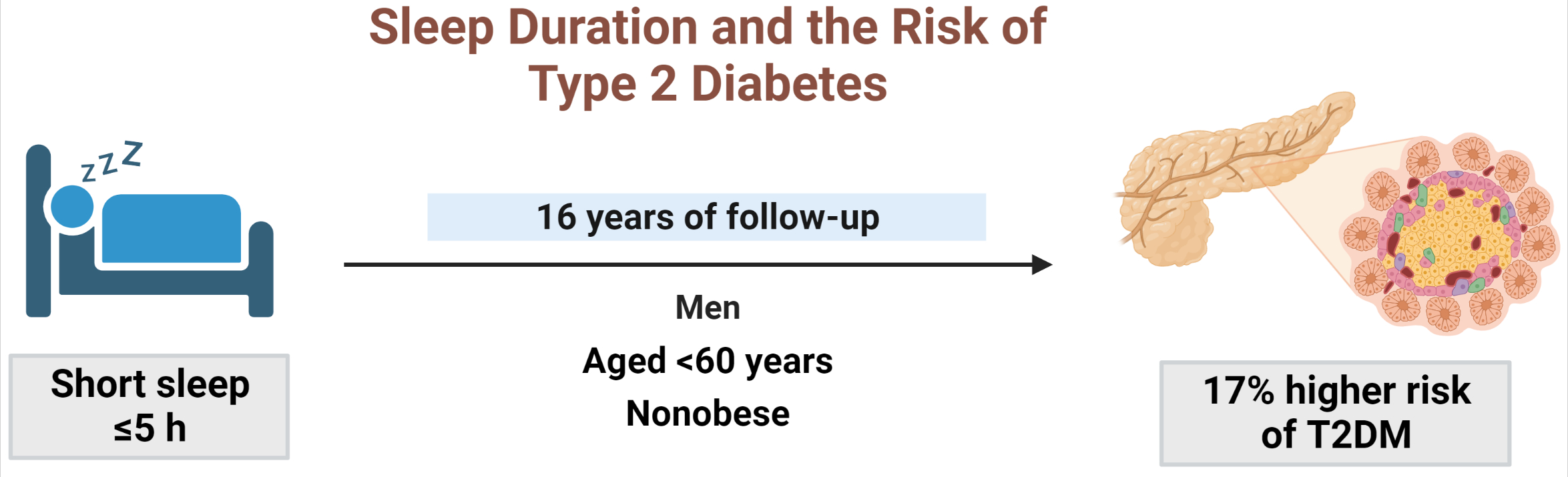
We aimed to investigate the moderating effects of obesity, age, and sex on the association between sleep duration and the development of diabetes in Asians.
Methods
We analyzed data from a cohort of the Korean Genome and Epidemiology Study conducted from 2001 to 2020. After excluding shift workers and those with diabetes at baseline, 7,407 participants were stratified into three groups according to sleep duration: ≤5 hours/night, >5 to 7 hours/night (reference), and >7 hours/night. The Cox proportional hazards analyses were used to calculate the hazard ratios (HRs) and 95% confidence intervals (CIs) for incident type 2 diabetes mellitus (T2DM). Subgroup analyses were performed according to obesity, age, and sex.
Results
During 16 years of follow-up, 2,024 cases of T2DM were identified. Individuals who slept ≤5 h/night had a higher risk of incident diabetes than the reference group (HR, 1.17; 95% CI, 1.02 to 1.33). The subgroup analysis observed a valid interaction with sleep duration only for obesity. A higher risk of T2DM was observed in the ≤5 hours/night group in non-obese individuals, men, and those aged <60 years, and in the >7 hours/night group in obese individuals (HRs were 1.34 [95% CI, 1.11 to 1.61], 1.22 [95% CI, 1 to 1.49], and 1.18 [95% CI, 1.01 to 1.39], respectively).
Conclusion
This study confirmed the effect of sleep deprivation on the risk of T2DM throughout the 16-year follow-up period. This impact was confined to non-obese or young individuals and men. We observed a significant interaction between sleep duration and obesity. -
Citations
Citations to this article as recorded by- Glucose homeostasis during recurrent periods of sleep restriction and recovery in healthy young adults
Yuki Y Y Cheung, Torance Y L Tan, Tiffany B Koa, Chin Meng Khoo, June C Lo
SLEEPJ.2026;[Epub] CrossRef - Mobile Phone Addiction and Sleep Quality Among Children and Adolescents: Unraveling the Health Consequences
Ghizal Fatima, Vani Shukla, Aminat Magomedova, Rasul Magomedov
Cureus.2026;[Epub] CrossRef - Association of daytime circadian-aligned activity with glycemic control in type 2 diabetes: Insights from continuous glucose monitoring and wearable data
Da Young Lee, Jung-Been Lee, Inha Jung, So Young Park, Ji Hee Yu, Ji A Seo, Heon-Jeong Lee, Nan Hee Kim
Metabolism.2026; 179: 156570. CrossRef - The Role of Circadian Rhythm Dysregulation, Abnormal Sleep Patterns, and Sleep Disorders on the Development of Diabetes
Hulya Merie, Bashair M. Mussa, Salah Abusnana
Clocks & Sleep.2026; 8(2): 22. CrossRef - Body-weight-specific and shared metabolomic responses to acute sleep loss in young adults
Linnéa Good, Luiz Eduardo Mateus Brandão, Lieve Thecla van Egmond, Payam Emami Khoonsari, Ida Erngren, Henrik Carlsson, Robert Fredriksson, Kim Kultima, Christian Benedict, Jonathan Cedernaes
Journal of Translational Medicine.2026;[Epub] CrossRef - Association Between Sleep Duration and Glycemic Levels in Adults With Prediabetes: A Population-based Study
Zhongqing Mou, Yan Zhou, Zaiquan Dong
Canadian Journal of Diabetes.2026;[Epub] CrossRef - Sleep features and the risk of type 2 diabetes mellitus: a systematic review and meta-analysis
Hongyi Liu, Hui Zhu, Qinkang Lu, Wen Ye, Tao Huang, Yuqiong Li, Bingqi Li, Yingxin Wu, Penghao Wang, Tao Chen, Jin Xu, Lindan Ji
Annals of Medicine.2025;[Epub] CrossRef - The potential impact of habitual sleep quality on glycaemic control and inflammation: A study on geriatric patients recently diagnosed with type 2 diabetes mellitus (T2DM)
Nadia Hussain, Amal Hussain Ibrahim Al Haddad, Saima Abbass, Zina Alfahl
Sleep Medicine: X.2025; 9: 100139. CrossRef - The link between sleep duration and stroke risk
Yu Cheng, Yuchuan Ding, Ahmed Elmadhoun, Xunming Ji, Xiaokun Geng
Brain Circulation.2025; 11(1): 1. CrossRef - Association between obstructive sleep apnea risk and atherosclerosis: A nationwide cross-sectional study in the Korean population
Il Rae Park, Yong Geun Chung, Seung Min Chung, Jun Sung Moon, Ji Sung Yoon, Kyu Chang Won, Qian Wu
PLOS One.2025; 20(5): e0322897. CrossRef - Case Report on the Improvement of Uncontrolled Blood Glucose with
Shihogayonggolmoryo-tang ,Yeonggyechulgam-tang , and Korean Medicine Complex Therapy
Nahyun Cho, Chul-woo Ahn, Hyungsun Jun, Hyun-jong Jung, Dasol Park, Jungtae Leem
The Journal of Internal Korean Medicine.2025; 46(3): 511. CrossRef - The relationship between sleep patterns and the risk of edentulism: evidence from the CHARLS
Hong-Yu Zhao, Peng-Lu Jia, Ping Ma, Wu-Long Jin, Hua-Jiao Yu
Postgraduate Medical Journal.2025; 102(1203): 48. CrossRef - Impact of Technological Advances on Type 2 Diabetes and Its Effect on Mental Health: A Perspective
Varun Damle, Ankit Halder, Tanvi Damle
Annals of Indian Psychiatry.2025;[Epub] CrossRef - Reinterpreting Yangsaeng in Physiology on Korean Medicine for Geriatric Care: A Personalized Self-Care Model for Future Medicine
Su Jin Lee, Young-Kyu Kwon
Journal of Physiology & Pathology in Korean Medicine.2025; 39(6): 271. CrossRef - Attention to Innate Circadian Rhythm and the Impact of Its Disruption on Diabetes
Da Young Lee, Inha Jung, So Young Park, Ji Hee Yu, Ji A Seo, Kyeong Jin Kim, Nam Hoon Kim, Hye Jin Yoo, Sin Gon Kim, Kyung Mook Choi, Sei Hyun Baik, Nan Hee Kim
Diabetes & Metabolism Journal.2024; 48(1): 37. CrossRef - Role of Sleep and Sleep Disorders in Cardiometabolic Risk: a Review and Update
Shaden O. Qasrawi, Ahmed S. BaHammam
Current Sleep Medicine Reports.2024; 10(1): 34. CrossRef - Evaluating reliability in wearable devices for sleep staging
Vera Birrer, Mohamed Elgendi, Olivier Lambercy, Carlo Menon
npj Digital Medicine.2024;[Epub] CrossRef - Replication Study of Genome Wide Association Study of Sleep Duration in Korean Association Resources Cohort
Seok-Ho Cho, Seon-Ah Kim, Hyun-Seok Jin, Hong Sung Kim
Biomedical Science Letters.2024; 30(2): 86. CrossRef - Insights into optimal BMI from the GlasVEGAS study
Chun-Kwan O, Juliana C. N. Chan
Nature Metabolism.2024; 6(8): 1435. CrossRef - Mechanisms, consequences and role of interventions for sleep deprivation: Focus on mild cognitive impairment and Alzheimer’s disease in elderly
Upasana Mukherjee, Ujala Sehar, Malcolm Brownell, P. Hemachandra Reddy
Ageing Research Reviews.2024; 100: 102457. CrossRef - The Relationship Between the Risk of Type 2 Diabetes and Insomnia Severity and Sleep Duration in Academicians
Tuğba Bilgehan, Esra Çalık Var
Sağlık Bilimleri Üniversitesi Hemşirelik Dergisi.2024; 6(3): 203. CrossRef - All That Glitters Is Not Gold: The Same Sleep Time, but Different Diabetogenic Outcomes
Bohye Kim, Obin Kwon
Endocrinology and Metabolism.2023; 38(1): 78. CrossRef - The Link Between Sleeping and Type 2 Diabetes: A Systematic Review
Ali Darraj
Cureus.2023;[Epub] CrossRef
- Glucose homeostasis during recurrent periods of sleep restriction and recovery in healthy young adults
Special Article
- Miscellaneous
- Diagnosis and Treatment of Growth Hormone Deficiency: A Position Statement from Korean Endocrine Society and Korean Society of Pediatric Endocrinology
- Jung Hee Kim, Hyun Wook Chae, Sang Ouk Chin, Cheol Ryong Ku, Kyeong Hye Park, Dong Jun Lim, Kwang Joon Kim, Jung Soo Lim, Gyuri Kim, Yun Mi Choi, Seong Hee Ahn, Min Ji Jeon, Yul Hwangbo, Ju Hee Lee, Bu Kyung Kim, Yong Jun Choi, Kyung Ae Lee, Seong-Su Moon, Hwa Young Ahn, Hoon Sung Choi, Sang Mo Hong, Dong Yeob Shin, Ji A Seo, Se Hwa Kim, Seungjoon Oh, Sung Hoon Yu, Byung Joon Kim, Choong Ho Shin, Sung-Woon Kim, Chong Hwa Kim, Eun Jig Lee
- Endocrinol Metab. 2020;35(2):272-287. Published online June 24, 2020
- DOI: https://doi.org/10.3803/EnM.2020.35.2.272
- 53,567 View
- 917 Download
- 37 Web of Science
- 39 Crossref
-
Abstract
PDFPubReader ePub
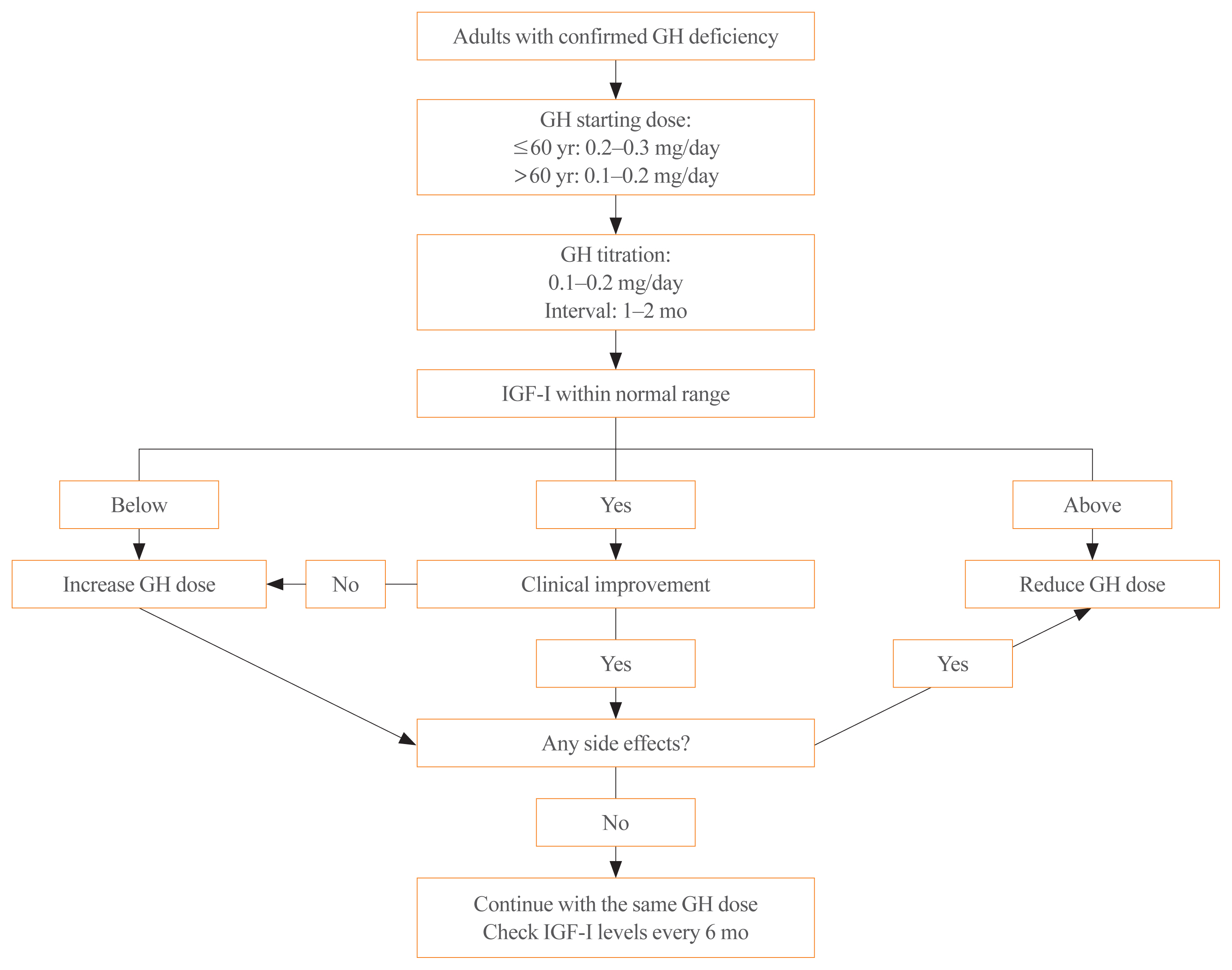
- Growth hormone (GH) deficiency is caused by congenital or acquired causes and occurs in childhood or adulthood. GH replacement therapy brings benefits to body composition, exercise capacity, skeletal health, cardiovascular outcomes, and quality of life. Before initiating GH replacement, GH deficiency should be confirmed through proper stimulation tests, and in cases with proven genetic causes or structural lesions, repeated GH stimulation testing is not necessary. The dosing regimen of GH replacement therapy should be individualized, with the goal of minimizing side effects and maximizing clinical improvements. The Korean Endocrine Society and the Korean Society of Pediatric Endocrinology have developed a position statement on the diagnosis and treatment of GH deficiency. This position statement is based on a systematic review of evidence and expert opinions.
-
Citations
Citations to this article as recorded by- Growth Outcomes and Relapse Risk in Pediatric Medulloblastoma Survivors with and Without Growth Hormone Therapy: A 23-Year Single-Center Cohort Study
Gerdi Tuli, Jessica Munarin, Paola Ragazzi, Eleonora Biasin, Francesco Felicetti, Anna Mussano, Stefano Gabriele Vallero, Daniele Bertin, Paola Peretta, Giovanni Morana, Franca Fagioli, Luisa De Sanctis
Journal of Clinical Medicine.2026; 15(9): 3472. CrossRef - Once-weekly somapacitan vs. daily norditropin in GHD: a systematic review and meta-analysis of efficacy and safety in children and adults
Sarah Azhar, Mohammad Daniyal, Roshni Riaz Memon, Hamza Sajid, Nad e Ali Yousfani, Hamza Yousuf Ibrahim, Syeda Umme Farwa, Shaharyar Ahmed, Mohsin Ali, Rimsha Abbas, Syed Muhammad Abbas, Ahmed Ali Khan, Haider Imran
Endocrine.2026;[Epub] CrossRef -
De novo ARID1A Coffin-Siris syndrome with hypothyroidism and dyslipidemia: A case report and literature review
Michael N Fragos, Ilektra Toulia, Maria G Grammatikopoulou, Parthena Savvidou, Ioannis Taiganidis, Panagiota Zissiadis, Charalampos Antachopoulos, Dimitrios G Goulis, Kyriaki Tsiroukidou
World Journal of Clinical Cases.2026;[Epub] CrossRef - Long‐Acting Growth Hormone Versus Daily Growth Hormone for Growth Hormone Deficiency Patients: A Network Meta‐Analysis of Clinical Trials
Amir Abadi, Usra Ghanem, Hamid Ghanem, Ahmed Jalal Sawafta, Ayah Abulehia, Mohammed Ataya, Rahma Nairat, Alhammam Mohammad Sammour, Hazem Ayesh
Endocrinology, Diabetes & Metabolism.2026;[Epub] CrossRef - Long-acting growth hormone: an updated Growth Hormone Research Society consensus statement
Katharina Schilbach, Peter Clayton, Nidhi Agrawal, Mai C Arlien-Søborg, Philippe F Backeljauw, Beverly M K Biller, Cesar L Boguszewski, Margaret C S Boguszewski, Philippe Chanson, Pierre Chatelain, Stefano Cianfarani, Maria Fleseriu, Judith Gebauer, Adda
European Journal of Endocrinology.2026; 195(3): R73. CrossRef - Gut microbiota profiles in Korean children with growth hormone deficiency: a case-control study
So Yoon Choi, Seom Gim Kong, Gyu Min Yeon, Yoo Rha Hong, Minyoung Jung, Jung Hyun Lee
Clinical and Experimental Pediatrics.2026; 69(10): 797. CrossRef - Investigation of overnight growth hormone secretion patterns in the clinical diagnosis of growth hormone neurosecretory dysfunction
Nurgul Atas, Mehmet Ali Kopan, Fatoş Çirkin Melik, Mehmet Keskin, Murat Karaoğlan
Growth Hormone & IGF Research.2026; 85: 101726. CrossRef - Growth Hormone Deficiency and Systemic Metabolic Remodeling: Insights from Metabolomics and Lipidomics
Sarmed Al-Samerria, Sally Radovick
Metabolites.2026; 16(10): 744. CrossRef - Influencing factors on selection of initial treatment dose in children diagnosed with isolated growth hormone deficiency
İbrahim Mert Erbaş, Nilüfer Uyar, Özlem Nalbantoğlu, Behzat Özkan
Trends in Pediatrics.2026; 7(3): 193. CrossRef - GHRH in diabetes and metabolism
Charlotte Steenblock, Stefan R. Bornstein
Reviews in Endocrine and Metabolic Disorders.2025; 26(3): 413. CrossRef - Biomarkers of GH deficiency identified in untreated and GH-treated Pit-1 mutant mice
Sarmed Al-Samerria, Huiting Xu, M. Elena Diaz-Rubio, Joseph Phelan, Chi Su, Keer Ma, Anna Newen, Kiana Li, Sayaka Yamada, Ariel L. Negron, Fredric Wondisford, Sally Radovick
Frontiers in Endocrinology.2025;[Epub] CrossRef - The TUITEK® patient support program improved caregiver-related behaviors on growth hormone treatment adherence
Ekaterina Koledova, Pen-Hua Su, Yen-Ju Chen, Aria Assefi, Matias Debicki, Debbie Cooke, Amrit Jheeta, Alexander B. Jones, Jung Eun Moon
Frontiers in Endocrinology.2025;[Epub] CrossRef - Otolaryngological Problems Among Patients with Growth Hormone Deficiency—A Systematic Review
Gazala Abdulaziz-Opiela, Paweł Witkowski, Yasmina Późniak, Julia Bajdor, Joanna Bautembach, Małgorzata Myśliwiec, Bogusław Mikaszewski
Journal of Clinical Medicine.2025; 14(9): 3064. CrossRef - Serum levels of leucine-rich α–2 glycoprotein 1 (LRG1), pro-neurotensin (PNT), fatty acid-binding protein 4 (FABP4) and furin in pediatric growth hormone deficiency before and after 1-year growth hormone replacement therapy
Zhibo Zhou, Yuxin Sun, Zeyan Zheng, Xiaoyuan Guo, Hongbo Yang, Shi Chen, Hui Pan, Huijuan Zhu
Cytokine.2025; 195: 157022. CrossRef - Growth hormone in disease and treatment (Review)
Saikat Fakir, Md Matiur Rahman Sarker, Madan Sigdel, Nektarios Barabutis
Medicine International.2025; 5(6): 1. CrossRef - Once-Weekly Somapacitan as an Alternative Management of Growth Hormone Deficiency in Prepubertal Children: A Systematic Review and Meta-Analysis of Randomized Controlled Trial
Ghina Tsurayya, Cut Alifiya Nazhifah, Muhammad Rahmat Pirwanja, Putri Oktaviani Zulfa, Muhammad Raihan Ramadhan Tatroman, Fajar Fakri, Muhammad Iqhrammullah
Children.2024; 11(2): 227. CrossRef - Efficacy, safety, and patient satisfaction of norditropin and sogroya in patients with growth hormone deficiency: a systematic review and meta-analysis of randomized controlled trials
Obieda Altobaishat, Mohamed Abouzid, Mostafa Hossam El Din Moawad, Abdulrahman Sharaf, Yazan Al-Ajlouni, Tungki Pratama Umar, Abdallah Bani-salameh, Mohammad Tanashat, Omar Abdullah Bataineh, Abdulqadir J. Nashwan
Endocrine.2024; 85(2): 545. CrossRef - Growth Hormone Deficiency and Growth Hormone Stimulation Test
胜彬 孙
Advances in Clinical Medicine.2024; 14(06): 1587. CrossRef - Clinical Management of Postoperative Growth Hormone Deficiency in Hypothalamic-Pituitary Tumors
Pedro Iglesias
Journal of Clinical Medicine.2024; 13(15): 4307. CrossRef - Isolated Growth Hormone Deficiency
Anastasia Ibba, Chiara Guzzetti, Lavinia Sanfilippo, Sandro Loche
Endocrines.2024; 5(3): 341. CrossRef - L‐DOPA Test in the Diagnosis of Childhood Short Stature: Evaluation of Growth Hormone Peaks Over Time
Barbara Castelli, Rita De Santis, Simona Carrera, Marco Andrea Malanima, Salvatore De Masi, Stefano Stagi
Endocrinology, Diabetes & Metabolism.2024;[Epub] CrossRef - Hsa_circ_0002473 inhibits GH3 cell proliferation and GH secretion as a competitive endogenous RNA for has-miR-4645-3p
Kaiyu Pan, Xiaoguang Jiang, Xiaohong Hu, Jianhua Zhan, Chengyue Zhang
Journal of Pediatric Endocrinology and Metabolism.2024; 37(12): 1054. CrossRef - Baseline Clinical Factors Associated with Cessation of Growth Hormone Therapy in Patients with Severe Growth Hormone Deficiency - Real World Evidence
Nageswary Nadarajah, Emmanuel Ssemmondo, Shani Brooks, Remi Akinyombo, Kazeem Adeleke, Harshal Deshmukh, Thozhukat Sathyapalan
International Journal of Endocrinology and Metabolism.2024;[Epub] CrossRef - Cohort profile: Multicenter Networks for Ideal Outcomes of Rare Pediatric Endocrine and Metabolic Diseases in Korea (OUTSPREAD study)
Yun Jeong Lee, Chong Kun Cheon, Junghwan Suh, Jung-Eun Moon, Moon Bae Ahn, Seong Hwan Chang, Jieun Lee, Jin Ho Choi, Minsun Kim, Han Hyuk Lim, Jaehyun Kim, Shin-Hye Kim, Hae Sang Lee, Yena Lee, Eungu Kang, Se Young Kim, Yong Hee Hong, Seung Yang, Heon-Seo
Annals of Pediatric Endocrinology & Metabolism.2024; 29(6): 349. CrossRef - Pituitary abnormalities in patients with pediatric growth hormone deficiency in a single tertiary center
Hyeon Jun Jung, Jeong Rye Kim, Jeesuk Yu
Annals of Pediatric Endocrinology & Metabolism.2024; 29(6): 365. CrossRef - Evaluation of Adult Height in Patients with Non-Permanent Idiopathic GH Deficiency
Agnese Murianni, Anna Lussu, Chiara Guzzetti, Anastasia Ibba, Letizia Casula, Mariacarolina Salerno, Marco Cappa, Sandro Loche
Endocrines.2023; 4(1): 169. CrossRef - The effect of hypothalamic involvement and growth hormone treatment on cardiovascular risk factors during the transition period in patients with childhood-onset craniopharyngioma
Sang Hee Park, Yun Jeong Lee, Jung-Eun Cheon, Choong Ho Shin, Hae Woon Jung, Young Ah Lee
Annals of Pediatric Endocrinology & Metabolism.2023; 28(2): 107. CrossRef - Continuous Glucose Monitoring: A Possible Aid for Detecting Hypoglycemic Events during Insulin Tolerance Tests
Soo Yeun Sim, Moon Bae Ahn
Sensors.2023; 23(15): 6892. CrossRef - The risk patients with AGHD have of developing CVD
Eisha Javed, Maha Zehra, Naz Elahi
International Journal of Cardiology Cardiovascular Risk and Prevention.2023; 19: 200221. CrossRef - Diagnosis of GH Deficiency Without GH Stimulation Tests
Anastasia Ibba, Sandro Loche
Frontiers in Endocrinology.2022;[Epub] CrossRef - Metabolic Impacts of Discontinuation and Resumption of Recombinant Human Growth Hormone Treatment during the Transition Period in Patients with Childhood-Onset Growth Hormone Deficiency
Yun Jeong Lee, Yunha Choi, Han-Wook Yoo, Young Ah Lee, Choong Ho Shin, Han Saem Choi, Ho-Seong Kim, Jae Hyun Kim, Jung Eun Moon, Cheol Woo Ko, Moon Bae Ahn, Byung-Kyu Suh, Jin-Ho Choi
Endocrinology and Metabolism.2022; 37(2): 359. CrossRef - A Radiomics-Based Model with the Potential to Differentiate Growth Hormone Deficiency and Idiopathic Short Stature on Sella MRI
Taeyoun Lee, Kyungchul Song, Beomseok Sohn, Jihwan Eom, Sung Soo Ahn, Ho-Seong Kim, Seung-Koo Lee
Yonsei Medical Journal.2022; 63(9): 856. CrossRef - Phenotypic spectrum of patients with mutations in CHD7: clinical implications of endocrinological findings
Ja Hye Kim, Yunha Choi, Soojin Hwang, Gu-Hwan Kim, Han-Wook Yoo, Jin-Ho Choi
Endocrine Connections.2022;[Epub] CrossRef - Immune Checkpoint Inhibitors and Endocrine Disorders: A Position Statement from the Korean Endocrine Society
Hyemi Kwon, Eun Roh, Chang Ho Ahn, Hee Kyung Kim, Cheol Ryong Ku, Kyong Yeun Jung, Ju Hee Lee, Eun Heui Kim, Sunghwan Suh, Sangmo Hong, Jeonghoon Ha, Jun Sung Moon, Jin Hwa Kim, Mi-kyung Kim
Endocrinology and Metabolism.2022; 37(6): 839. CrossRef - Laron syndrome: clinic, diagnostics (а clinical case)
P.M. Lіashuk, R.P. Lіashuk, N.I. Stankova, M.B. Kudina
INTERNATIONAL JOURNAL OF ENDOCRINOLOGY (Ukraine).2022; 18(3): 193. CrossRef - Diagnosis for Pheochromocytoma and Paraganglioma: A Joint Position Statement of the Korean Pheochromocytoma and Paraganglioma Task Force
Eu Jeong Ku, Kyoung Jin Kim, Jung Hee Kim, Mi Kyung Kim, Chang Ho Ahn, Kyung Ae Lee, Seung Hun Lee, You-Bin Lee, Kyeong Hye Park, Yun Mi Choi, Namki Hong, A Ram Hong, Sang-Wook Kang, Byung Kwan Park, Moon-Woo Seong, Myungshin Kim, Kyeong Cheon Jung, Chan
Endocrinology and Metabolism.2021; 36(2): 322. CrossRef - Asian Conference on Tumor Ablation Guidelines for Adrenal Tumor Ablation
Byung Kwan Park, Masashi Fujimori, Shu-Huei Shen, Uei Pua
Endocrinology and Metabolism.2021; 36(3): 553. CrossRef - Asian Conference on Tumor Ablation guidelines for renal cell carcinoma
Byung Kwan Park, Shu-Huei Shen, Masashi Fujimori, Yi Wang
Investigative and Clinical Urology.2021; 62(4): 378. CrossRef - Diagnosis and Treatment of Adult Growth Hormone Deficiency
Jung Hee Kim
The Korean Journal of Medicine.2021; 96(5): 400. CrossRef
- Growth Outcomes and Relapse Risk in Pediatric Medulloblastoma Survivors with and Without Growth Hormone Therapy: A 23-Year Single-Center Cohort Study
Original Article
- Clinical Study
- Obesity and Hyperglycemia in Korean Men with Klinefelter Syndrome: The Korean Endocrine Society Registry
- Seung Jin Han, Kyung-Soo Kim, Wonjin Kim, Jung Hee Kim, Yong-ho Lee, Ji Sun Nam, Ji A Seo, Bu Kyung Kim, Jihyun Lee, Jin Ook Chung, Min-Hee Kim, Tae-Seo Sohn, Han Seok Choi, Seong Bin Hong, Yoon-Sok Chung
- Endocrinol Metab. 2016;31(4):598-603. Published online December 20, 2016
- DOI: https://doi.org/10.3803/EnM.2016.31.4.598
- 10,517 View
- 47 Download
- 23 Web of Science
- 21 Crossref
-
Abstract
PDFPubReader
Background The aim of this study was to investigate the prevalence of obesity in Korean men with Klinefelter syndrome (KS) and the associated risk factors for obesity and hyperglycemia.
Methods Data were collected retrospectively from medical records from 11 university hospitals in Korea between 1994 and 2014. Subjects aged ≥18 years with newly diagnosed KS were enrolled. The following parameters were recorded at baseline before treatment: chief complaint, height, weight, fasting glucose level, lipid panel, blood pressure, testosterone, luteinizing hormone, follicle-stimulating hormone, karyotyping patterns, and history of hypertension, diabetes, and dyslipidemia.
Results Data were analyzed from 376 of 544 initially enrolled patients. The rate of the 47 XXY chromosomal pattern was 94.1%. The prevalence of obesity (body mass index ≥25 kg/m2) in Korean men with KS was 42.6%. The testosterone level was an independent risk factor for obesity and hyperglycemia.
Conclusion Obesity is common in Korean men with KS. Hypogonadism in patients with KS was associated with obesity and hyperglycemia.
-
Citations
Citations to this article as recorded by- Lower Systolic Blood Pressure in 67 Boys With Klinefelter Syndrome Compared to 1842 Healthy Danish Boys
Andrés Felipe Ø. Fritzbøger, Riccardo Battiston, Cecilie N. Larsen, Anna Sophie L. Kjaer, Klaus Juul, Ida M. Schmidt, Jørgen H. Petersen, Katharina M. Main, Anders Juul, Lise Aksglaede
Andrology.2026;[Epub] CrossRef - Male Hypogonadism: The Korean Society of Men's Health and Aging Position Statement
Sun Tae Ahn, Young-Sang Kim, Sung Hoon Yu, Yoon-Sok Chung
The World Journal of Men's Health.2025; 43(3): 492. CrossRef - New Horizons in Klinefelter Syndrome: Current Evidence, Gaps, and Research Priorities
Angela K Lucas-Herald, Lise Aksglaede, Ida Dyhr Caspersen, S Faisal Ahmed, Francesco Carlomagno, Andrea M Isidori
Endocrine Reviews.2025; 46(4): 447. CrossRef - A dual-center study of predictive factors for sperm retrieval through microdissection testicular sperm extraction and intracytoplasmic sperm injection outcomes in men with non-mosaic Klinefelter syndrome
Jong Hyeun Baeck, Tae Jin Kim, Tae Heon Kim, Seung-Ryeol Lee, Dong Soo Park, Hwang Kwon, Ji Eun Shin, Dong Hyeon Lee, Young Dong Yu
Investigative and Clinical Urology.2023; 64(1): 41. CrossRef - Cardiorespiratory fitness in adolescents and young adults with Klinefelter syndrome – a pilot study
Julia Spiekermann, Kathrin Sinningen, Beatrice Hanusch, Michaela Kleber, Michael M. Schündeln, Cordula Kiewert, Heide Siggelkow, Jakob Höppner, Corinna Grasemann
Frontiers in Endocrinology.2023;[Epub] CrossRef - Metabolic Profile in a Cohort of Young Sicilian Patients with Klinefelter’s Syndrome: The Role of Irisin
Stefano Radellini, Valentina Guarnotta, Vincenzo Sciabica, Giuseppe Pizzolanti, Carla Giordano, Vito Angelo Giagulli
International Journal of Endocrinology.2022; 2022: 1. CrossRef - Metabolic and Nutritional Aspects in Paediatric Patients with Klinefelter Syndrome: A Narrative Review
Chiara Mameli, Giulia Fiore, Arianna Sangiorgio, Marta Agostinelli, Giulia Zichichi, Gianvincenzo Zuccotti, Elvira Verduci
Nutrients.2022; 14(10): 2107. CrossRef - Klinefelter syndrome in an adolescent with severe obesity, insulin resistance, and hyperlipidemia, successfully treated with testosterone replacement therapy
Shota Fukuhara, Jun Mori, Hisakazu Nakajima
Clinical Pediatric Endocrinology.2021; 30(3): 127. CrossRef - Glucose metabolic disorder in Klinefelter syndrome: a retrospective analysis in a single Chinese hospital and literature review
Shixuan Liu, Tao Yuan, Shuoning Song, Shi Chen, Linjie Wang, Yong Fu, Yingyue Dong, Yan Tang, Weigang Zhao
BMC Endocrine Disorders.2021;[Epub] CrossRef - What Every Internist-Endocrinologist Should Know about Rare Genetic Syndromes in Order to Prevent Needless Diagnostics, Missed Diagnoses and Medical Complications: Five Years of ‘Internal Medicine for Rare Genetic Syndromes’
Anna G. W. Rosenberg, Minke R. A. Pater, Karlijn Pellikaan, Kirsten Davidse, Anja A. Kattentidt-Mouravieva, Rogier Kersseboom, Anja G. Bos-Roubos, Agnies van Eeghen, José M. C. Veen, Jiske J. van der Meulen, Nina van Aalst-van Wieringen, Franciska M. E. H
Journal of Clinical Medicine.2021; 10(22): 5457. CrossRef - Klinefelter Syndrome and Diabetes
Mark J. O’Connor, Emma A. Snyder, Frances J. Hayes
Current Diabetes Reports.2019;[Epub] CrossRef - Endocrine aspects of Klinefelter syndrome
Adriana Herrera Lizarazo, Michelle McLoughlin, Maria G. Vogiatzi
Current Opinion in Endocrinology, Diabetes & Obesity.2019; 26(1): 60. CrossRef - Sex differences in metabolism and cardiometabolic disorders
Karthickeyan Chella Krishnan, Margarete Mehrabian, Aldons J. Lusis
Current Opinion in Lipidology.2018; 29(5): 404. CrossRef - Klinefelter Syndrome: Integrating Genetics, Neuropsychology, and Endocrinology
Claus H Gravholt, Simon Chang, Mikkel Wallentin, Jens Fedder, Philip Moore, Anne Skakkebæk
Endocrine Reviews.2018; 39(4): 389. CrossRef - Sex differences in obesity, lipid metabolism, and inflammation—A role for the sex chromosomes?
Temeka Zore, Maria Palafox, Karen Reue
Molecular Metabolism.2018; 15: 35. CrossRef - Klinefelter syndrome, insulin resistance, metabolic syndrome, and diabetes: review of literature and clinical perspectives
Andrea Salzano, Roberta D’Assante, Liam M. Heaney, Federica Monaco, Giuseppe Rengo, Pietro Valente, Daniela Pasquali, Eduardo Bossone, Daniele Gianfrilli, Andrea Lenzi, Antonio Cittadini, Alberto M. Marra, Raffaele Napoli
Endocrine.2018; 61(2): 194. CrossRef - Síndrome de Klinefelter y riesgo cardiovascular
A. Yamaguchi, P. Knoblovits
Hipertensión y Riesgo Vascular.2018; 35(4): 195. CrossRef - Articles inEndocrinology and Metabolismin 2016
Won-Young Lee
Endocrinology and Metabolism.2017; 32(1): 62. CrossRef - Sex differences in obesity: X chromosome dosage as a risk factor for increased food intake, adiposity and co-morbidities
Karen Reue
Physiology & Behavior.2017; 176: 174. CrossRef - Klinefelter Syndrome with Morbid Obesity Before Bariatric Surgery: A Case Report
Parisa Janmohammadi, Gholamreza Mohammadi-Farsani, Hana Arghavani, Mahmoud Arshad, Tayebeh Mokhber
Journal of Minimally Invasive Surgical Sciences.2017;[Epub] CrossRef - Klinefelter Syndrome and Metabolic Disorder
Ji Cheol Bae
Endocrinology and Metabolism.2016; 31(4): 535. CrossRef
- Lower Systolic Blood Pressure in 67 Boys With Klinefelter Syndrome Compared to 1842 Healthy Danish Boys
Case Reports
- Adrenal gland
- Pheochromocytoma with Markedly Abnormal Liver Function Tests and Severe Leukocytosis
- Chai Ryoung Eun, Jae Hee Ahn, Ji A Seo, Nan Hee Kim
- Endocrinol Metab. 2014;29(1):83-90. Published online March 14, 2014
- DOI: https://doi.org/10.3803/EnM.2014.29.1.83
- 9,566 View
- 45 Download
- 7 Web of Science
- 9 Crossref
-
Abstract
PDFPubReader
Pheochromocytoma is a rare neuroendocrine tumor arising from the medulla of the adrenal glands, which causes an overproduction of catecholamines. The common symptoms are headache, palpitations, and sweating; however, various other clinical manifestations might also be present. Accurate diagnosis of pheochromocytoma is important because surgical treatment is usually successful, and associated clinical problems are reversible if treated early. A 49-year-old man with a history of uncontrolled hypertension and diabetes mellitus presented with chest pain, fever, and sweating. His liver function tests and white blood cell counts were markedly increased and his echocardiography results suggested stress-induced cardiomyopathy. His abdominal computed tomography showed a 5×5-cm-sized tumor in the left adrenal gland, and laboratory tests confirmed catecholamine overproduction. After surgical resection of the left adrenal gland, his liver function tests and white blood cell counts normalized, and echocardiography showed normal cardiac function. Moreover, his previous antihypertensive regimen was deescalated, and his previously uncontrolled blood glucose levels normalized without medication.
-
Citations
Citations to this article as recorded by- Interplay between endocrine disorders and liver dysfunction: Mechanisms of damage and therapeutic approaches
Andres M Vargas-Beltran, Samantha M Armendariz-Pineda, Froylan D Martínez-Sánchez, Carolina Martinez-Perez, Aldo Torre, Jacqueline Cordova-Gallardo
World Journal of Gastroenterology.2025;[Epub] CrossRef - Case Report: Elevated Aminotransferases and Altered Hepatic Perfusion due to Retroperitoneal Paraganglioma
Gabriel de Magalhães Freitas, Caroline Tomas Heringer, Ébony Lima dos Santos, Carolina Oliveira de Souza, Silvia Regina Pereira Soares, Raul Carlos Wahle
GE - Portuguese Journal of Gastroenterology.2025; : 1. CrossRef - Pheochromocytoma-Induced Leukocytosis With Concurrent Severe Eosinophilia: A Case Report
Nouf Alnaqeeb, Mohamed M Abd Elhamid, Ihab AImagdub, Randa Ali
Cureus.2025;[Epub] CrossRef - Liver Transplantation for Fulminant Hepatic Failure Precipitated by Pheochromocytoma Crisis in the Setting of Using Garcinia cambogia Weight Loss Supplement: A Case Report
Motaz A Selim, Krystal Weierstahl, Calvin Eriksen, Terra Pearson, Harvey Woehlck
Cureus.2023;[Epub] CrossRef - Pheochromocytoma presenting with severe abdominal pain and abnormal liver enzymes
Mhd Baraa Habib, Mohamed Abdelrazek, Sali Alatasi, Mouhand F. H. Mohamed, Hamda Ali, Mohamad Khair Hamad
Clinical Case Reports.2021;[Epub] CrossRef - A cardiogenic shock in PICU turned out to be a bilateral pheochromocytoma: A case report
Jay Shah, Zinkal Patel, Shradha Patel, Amit Kumar
Journal of Pediatric Critical Care.2021; 8(5): 255. CrossRef - Endocrine Diseases and the Liver
Miguel Malespin, Ammar Nassri
Clinics in Liver Disease.2019; 23(2): 233. CrossRef - Pheochromocytoma crisis presenting with hypotension, hemoptysis, and abnormal liver function
Renhua Wu, Nanwei Tong, Xinlei Chen, Shishi Xu, Fang Zhang, Lizhi Tang, Yuwei Zhang
Medicine.2018; 97(25): e11054. CrossRef - Articles in 'Endocrinology and Metabolism' in 2014
Won-Young Lee
Endocrinology and Metabolism.2015; 30(1): 47. CrossRef
- Interplay between endocrine disorders and liver dysfunction: Mechanisms of damage and therapeutic approaches
- A Case of Multiple Osteoporotic Compression Fractures in Young Man with Budd-Chiari Syndrome.
- Sun Hwa Kim, Tae Un Yang, Byeong Kwang Choi, Hye Jin Yoo, Ji A Seo, Kyung Mook Choi, Nan Hee Kim, Sin Gon Kim, Sei Hyun Baik, Dong Seop Choi, Hae Yoon Choi
- Endocrinol Metab. 2012;27(4):334-339. Published online December 20, 2012
- DOI: https://doi.org/10.3803/EnM.2012.27.4.334
- 3,541 View
- 32 Download
-
Abstract
PDF
- Osteoporosis in young men is extremely rare. In this report, we demonstrate a rare case of multiple vertebral fractures discovered in a young man with Budd-Chiari syndrome without prior history of trauma. A 29-year-old man was diagnosed as Budd-Chiari syndrome 12 years ago and underwent a mesocaval shunt to relieve the hepatic vein obstruction and was on warfarin therapy. He suffered from low back pain and it was not relieved by analgesics. A T-L spine X-ray revealed multiple compression fractures and the z-score at lumbar spine was -3.7 which is below the expected range for that age. The patient was treated with calcium, vitamin D and bisphosphonate, and showed clinical improvement. This case highlights the importance of the investigation for secondary osteoporosis in young adults with an underlying disease that alters bone metabolism.
Original Article
- Thyroid Dysfunction of North Korean Women Living in South Korea, Focusing on Subclinical Hypothyroidism.
- Joo Hyung Kim, Sol Ah Park, Nam Hoon Kim, Jae Hee Ahn, Yoon Jung Kim, Myongjin Cho, Yoon Jung Lee, Hye Jin Yoo, Hee Young Kim, Ji A Seo, Nan Hee Kim, Kyung Mook Choi, Sei Hyun Baik, Dong Seop Choi, Sin Gon Kim
- Endocrinol Metab. 2012;27(3):200-207. Published online September 19, 2012
- DOI: https://doi.org/10.3803/EnM.2012.27.3.200
- 10,397 View
- 32 Download
- 2 Crossref
-
Abstract
PDF
- BACKGROUND
Thyroid function depends on ethnic and environmental factors. North Korean refugees have the same genetic background as South Koreans, but they have been exposed to different environments. This study examines the prevalence and pattern of thyroid disorders in North Korean women living in South Korea, focusing on subclinical hypothyroidism (SCH). METHODS: The intended sample was a total of 327 North Korean women residing in Seoul. Health questionnaires and medical examinations, including serum thyrotropin (thyroid stimulating hormone, TSH), free thyroxine, and thyroid autoantibodies, were conducted. RESULTS: The prevalence of SCH was 9.4%. In logistic regression analysis, smoking, menopause, length of stay in South Korea, body mass index, history of thyroid disease, and metabolic syndrome were not associated with the risk of SCH. Whereas, the positivity of autoantibodies were associated with a high risk for SCH (odds ratio [OR], 4.840; 95% confidence interval [CI], 1.80-13.017; P = 0.002), and age was associated with a low risk for SCH (OR, 0.94; 95% CI, 0.888-0.994; P = 0.031). The serum TSH levels also decreased with increasing age, and in particular, there was significant difference between 30-39 years, and over 60 years (2.33 +/- 1.51 microIU/mL vs. 1.54 +/- 0.73 microIU/mL, P = 0.028). CONCLUSION: In North Korean women, the positivity of autoantibodies was associated with a high risk for SCH. But interestingly, a younger age was associated with a high risk for SCH. Considering that they suffered from severe famine at the period of growth, and this led to malnutrition, their thyroid dysfunction might be associated with the peculiar environment that they experienced. -
Citations
Citations to this article as recorded by- Systematic review of evidence on public health in the Democratic People’s Republic of Korea
John J Park, Ah-Young Lim, Hyung-Soon Ahn, Andrew I Kim, Soyoung Choi, David HW Oh, Owen Lee-Park, Sharon Y Kim, Sun Jae Jung, Jesse B Bump, Rifat Atun, Hee Young Shin, Kee B Park
BMJ Global Health.2019; 4(2): e001133. CrossRef - Environmental Factors and Thyroid Dysfunction
Hyun-Kyung Chung
Endocrinology and Metabolism.2012; 27(3): 191. CrossRef
- Systematic review of evidence on public health in the Democratic People’s Republic of Korea
Case Reports
- Hyperprolactinemia-Associated Breast Uptake of Radioiodine Following 131I Postablation Scan in Differentiated Thyroid Cancer.
- Jae Hee Ahn, Sun Young Kim, Ye Ji Kim, Suk Young Lee, Jae Hyoung Lee, Seung Hun Kang, Ho Cheol Hong, Sae Jeong Yang, Hye Jin Yoo, Ji A Seo, Sin Gon Kim, Nan Hee Kim, Kyung Mook Choi, Sei Hyun Baik, Dong Seop Choi, Hae Yoon Choi
- Endocrinol Metab. 2011;26(4):345-347. Published online December 1, 2011
- DOI: https://doi.org/10.3803/EnM.2011.26.4.345
- 6,409 View
- 23 Download
- 1 Crossref
-
Abstract
PDF
- Scanning with whole-body 131I scintigraphy after surgery has been a valuable diagnostic modality in the surveillance of patients with differentiated thyroid cancer. Radioiodine uptake is rarely observed in non-lactating breast tissue, which mimics thyroid cancer metastasis. We now report a case of a 45-year-old female thyroid cancer patient who underwent radioiodine therapy, and in whom breast uptake of radioiodine was observed on a post-therapy whole body scan. Her serum prolactin level was elevated to 328 ng/mL at the time of the radioiodine uptake, and the hyperprolactinemia was induced by her antipsychotic medications. Six months after she discontinued that medication, her serum prolactin level was normalized to 12.6 ng/mL and breast uptake of iodine was no longer present in a follow-up whole body scan.
-
Citations
Citations to this article as recorded by- Incidental Findings of Intense Radioiodine Uptake in Struma Ovarii and Bilateral Nonlactating Breasts Simultaneously on Postablation 131I SPECT/CT for Papillary Thyroid Cancer
Hye-kyung Shim, Mi Ra Kim
Nuclear Medicine and Molecular Imaging.2016; 50(4): 353. CrossRef
- Incidental Findings of Intense Radioiodine Uptake in Struma Ovarii and Bilateral Nonlactating Breasts Simultaneously on Postablation 131I SPECT/CT for Papillary Thyroid Cancer
- Successful Localization of Distant Metastasis in Parathyroid Carcinoma Using Intraoperative Parathyroid Hormone Assay.
- Ho Cheol Hong, Sun Won Kim, Tae Hyung Kim, In Hye Cha, Jae Hee Ahn, Hye Jin Yoo, Hee Young Kim, Ji A Seo, Hyun Koo Kim, Sin Gon Kim, Nan Hee Kim, Kyung Mook Choi, Jae Bok Lee, Sei Hyun Baik, Dong Seop Choi
- Endocrinol Metab. 2011;26(1):92-96. Published online March 1, 2011
- DOI: https://doi.org/10.3803/EnM.2011.26.1.92
- 4,004 View
- 24 Download
- 1 Crossref
-
Abstract
PDF
- Intra-operative parathyroid hormone (IOPTH) assay is a useful tool to confirm complete excision of all hyper-functioning parathyroid gland tissue. In this report, we describe a case with successful localization of distant metastasis in a patient with parathyroid carcinoma using the IOPTH assay. A 53-year-old man presented to our clinic with a serum calcium level of 11.8 mg/dL and an intact PTH level of 233.3 pg/mL. He had been treated for parathyroid carcinoma eleven years ago. Two suspected metastatic lesions were detected on the chest computed tomography. Due to the vastly different surgical field necessary to excise each lesion, we preferentially removed only one lesion and we monitored the other remaining suspected lesion without resection via IOPTH assay. Six months later, the patient's serum calcium and intact PTH levels remained within their normal ranges. To the best of our knowledge, this is the first case to effectively utilize IOPTH assay for the management of metastatic parathyroid carcinoma.
-
Citations
Citations to this article as recorded by- The association of abdominal obesity, obesity and parathyroid hormone in Korean adults (aged≥50 years): The Korea National Health and Nutrition Survey, 2011
Kyu Su Lee, Yo Sang Yoon, Hyun Yoon
Journal of the Korea Academia-Industrial cooperation Society.2015; 16(6): 3882. CrossRef
- The association of abdominal obesity, obesity and parathyroid hormone in Korean adults (aged≥50 years): The Korea National Health and Nutrition Survey, 2011
- A Case of Recurrent Ectopic Parathyroid Adenoma Developed 22 Years after the Initial Parathyroidectomy.
- Yoon Jung Kim, Ji A Seo, Ji Mi Moon, Young Jin Seo, Hae Yoon Choi, Hye Sook Kim, Sin Gon Kim, Kyeung mook Choi, Sei Hyun Baik, Dong Seop Choi, Nan Hee Kim
- J Korean Endocr Soc. 2009;24(4):260-264. Published online December 1, 2009
- DOI: https://doi.org/10.3803/jkes.2009.24.4.260
- 3,787 View
- 29 Download
-
Abstract
PDF
- Persistent or recurrent primary hyperparathyroidism after initial parathyroid surgery occurs at rates of 1.5~10%. A single missed parathyroid adenoma accounts for the majority of persistent hyperparathyroidism, whereas metachronous parathyroid adenoma is a rare cause of recurrent hypercalcemia. We report a case of a 39-year-old female who presented with recurrent pancreatitis. She had symptoms of hyperparathyroidism such as hypercalcemia, hypophosphatemia, hypercalciuria, nephrocalcinosis, and osteoporosis. She had a 2-cm firm neck mass under the right submandibular area. She was diagnosed with primary hyperparathyroidism 22 years ago. At that time, the right upper and lower parathyroid glands were removed after exploration of all parathyroid glands, and a right upper parathyroid adenoma was diagnosed. Now, she had a second surgery to remove the right submandibular mass with intraoperative PTH monitoring, which was diagnosed as a parathyroid adenoma in an ectopic supernumerary parathyroid gland. Because of hungry bone syndrome, she received calcium carbonate replacement therapy and has no evidence of recurrence. Here, we report a recurrent parathyroid adenoma in the undescended, supernumerary parathyroid gland after a long interval from the initial surgery.
- A Case of Fulminant Type 1 Diabetes Mellitus Complicated with Ischemic Ileitis.
- Se Won Oh, Ju Ri Park, Yun Jeong Lee, Hee Yeong Kim, Ji A Seo, Nan Hee Kim, Kyung Mook Choi, Sei Hyun Baik, Dong Seop Choi, Sin Gon Kim
- J Korean Endocr Soc. 2009;24(2):116-120. Published online June 1, 2009
- DOI: https://doi.org/10.3803/jkes.2009.24.2.116
- 3,052 View
- 21 Download
-
Abstract
PDF
- Fulminant type 1 diabetes is characterized by diabetes with an abrupt onset, severe metabolic acidosis at diagnosis, a low HbA1c level and negativity for islet cell-related autoantibodies, and this illness has been classified as type 1B diabetes by the WHO. The prevalence of this disease is higher in Japan than any other country and recently, there have been an increasing number of such case reports in Korea. Genetic factors and environmental factors such as virus infection and an immune mechanism have been suggested as the mechanism of the pathophysiology, but this remains to be clarified.
- Normal Repetitive Pregnancies and Tumor Regression Induced by Low-Dose Bromocriptine in a Patient with Macroprolactinoma.
- Hye Jung Choi, Jin Yong Park, Woo Seok Choi, Jong Gyu Song, Hee Young Kim, Ji A Seo, Sin Gon Kim, Nan Hee Kim, Kyung Mook Choi, Sei Hyun Baik, Dong Seop Choi
- J Korean Endocr Soc. 2009;24(1):42-46. Published online March 1, 2009
- DOI: https://doi.org/10.3803/jkes.2009.24.1.42
- 3,033 View
- 19 Download
-
Abstract
PDF
- Prolactin-secreting adenomas are the most common pituitary tumors. Menstrual disturbances and infertility are the main complaints in women with prolactinoma. Dopaminergic agonists such as bromocriptine are well-established treatments for prolactinoma when pregnancy is desired. Pregnancy-related outcomes in macroprolactinoma are worse than those in microprolactinoma. In addition, symptomatic tumor expansion during pregnancy occurs in 30% of women with macroprolactinoma. Therefore, when women with macroprolactinoma are planning a pregnancy, serum prolactin level should be normalized and the tumor volume significantly reduced. On the other hand, a spontaneous regression of macroprolactinoma can occur after pregnancy. We report a case of macroprolactinoma showing significant tumor regression during repeated pregnancies and low dose bromocriptine treatment, with a literature review.
- A Case of Graves' Disease with Pheochromocytoma.
- Hye Sook Kim, Hyung Joon Joo, Yoon Seok Choi, Eun Sun Kim, Soo Yeon Park, Yun Jeong Lee, Hee Young Kim, Ji A Seo, Sin Gon Kim, Dong Seop Choi
- J Korean Endocr Soc. 2007;22(6):465-469. Published online December 1, 2007
- DOI: https://doi.org/10.3803/jkes.2007.22.6.465
- 3,995 View
- 30 Download
- 1 Crossref
-
Abstract
PDF
- Graves' disease is an autoimmune disorder in which thyrotropin-stimulating hormone receptor antibodies stimulate the thyroid gland. Stress hormones such as catecholamine are known to play important roles in the pathogenesis of Graves' disease. Pheochromocytoma with Graves' disease is extremely rare, and no case has been reported within the Republic of Korea. However, according to previous studies conducted abroad, pheochromocytoma influences the pathogenesis of Graves' disease by producing excessive cathecholamine. In the present report, we describe a 65-year-old female patient with paroxysmal hypertension and rapidly progressive body weight loss who was diagnosed as having Graves'disease with pheochromocytoma.
-
Citations
Citations to this article as recorded by- Graves' Disease Accompanied by Pheochromocytoma: Report of a Case
Jin-Hwa Kim, Sang-Jun Lee, Ji-Hye Shin, Mi-Ra You, Jae-Sik Jung, Sang-Yong Kim, Hak-Yeon Bae
Journal of Korean Endocrine Society.2009; 24(2): 126. CrossRef
- Graves' Disease Accompanied by Pheochromocytoma: Report of a Case
- Two Cases of Acromegaly with Empty Sella Syndrome Treated by Long-Acting Release Octreotide.
- Dong Jin Kim, Young Jin Seo, Nam Hoon Kim, Hye Soo Chung, Chai Ryoung Eun, Hye Jung Choi, Hye Sook Kim, Sae Jeong Yang, Juri Park, Hye Jin Yoo, Soo Yeon Park, Yun Jeong Lee, Ohk Hyun Ryu, Kye Won Lee, Hee Young Kim, Ji A Seo, Sin Gon Kim, Nan Hee Kim, Kyung Mook Choi, Sei Hyun Baik, Dong Seop Choi
- J Korean Endocr Soc. 2007;22(2):135-141. Published online April 1, 2007
- DOI: https://doi.org/10.3803/jkes.2007.22.2.135
- 3,844 View
- 37 Download
-
Abstract
PDF
- Two cases of typical acromegaly with empty sella syndrome presented to our institution. In the natural course of untreated pituitary adenoma, empty sella syndrome may result from necrosis by infarction or from hemorrhage of the pituitary gland. In our patients, the secretion of growth hormone continued in spite of the existence of empty sella syndrome. In one case, we confirmed the hypersecretion of growth hormone from sella by jugular vein sampling. Medical therapy with somatostatin analogue was attempted because there was no obvious mass in the sella. After 6~12 months of treatment with long-acting release octreotide, clinical features in our patients were improved, and the level of growth hormone and IGF-1 were also normalized.
Original Article
- Comparison of Target Organ Damages between Primary Aldosteronism and Essential Hypertension.
- Juri Park, Dong Jin Kim, Sae Jeong Yang, Sook Hae Kim, Soo Yeon Park, Hye Jin Yoo, Yun Jeong Lee, Hee Young Kim, Ohk Hyun Ryu, Kye Won Lee, Ji A Seo, Sin Gon Kim, Kyung Mook Choi, Sei Hyun Baik, Dong Seop Choi
- J Korean Endocr Soc. 2007;22(1):11-18. Published online February 1, 2007
- DOI: https://doi.org/10.3803/jkes.2007.22.1.11
- 4,238 View
- 21 Download
- 3 Crossref
-
Abstract
PDF
- BACKGROUND
A number of recent clinical studies have reported marked target organ damages in patients with primary aldosteronism. The aim of this study was to compare the incidence of target organ damages in patients with primary aldosteronism (PA) and essential hypertension (EHT). METHODS: The clinical records of 41 PA patients, over a 20-year period, were retrospectively analyzed. The clinical characteristics and incidence of target organ damages of 33 of the patients in this group were compared with those of 66 patients with essential hypertension, directly matched for age, gender and mean blood pressure. 8 of the PA patients could not be matched with EHT patients for age, gender and mean blood pressure, so were excluded from the comparison. The patients with essential hypertension were sampled from patients who visited for the evaluation of hypertension. RESULTS: Ischemic heart diseases were found in 18.2 and 10.6% of patients with PA and EHT, respectively (P = 0.22). From echocardiograms, left ventricular hypertrophy was found in 93.3% and 61.4% of patients with PA and EHT, respectively (P = 0.017). The degrees of left ventricular hypertrophy were correlated with the levels of serum aldosterone, with an r value of 0.490 (P < 0.005). Cerebrovascular attack was found in 18.2% and 1.5% of patients with PA and EHT, respectively (P = 0.005). Hypertensive retinopathy was found in 50% and 33.3% of patients with PA and EHT (P = 0.255), and nephropathy was found in 42.4% and 25.8% of patients with PA and EHT, respectively (P = 0.074). CONCLUSION: Patients with primary aldosteronism had target organ damages more frequently than with those with essential hypertension, which was independent of blood pressure. -
Citations
Citations to this article as recorded by- Changes in the clinical manifestations of primary aldosteronism
Sun Hwa Kim, Jae Hee Ahn, Ho Cheol Hong, Hae Yoon Choi, Yoon Jung Kim, Nam Hoon Kim, Hye Jin Yoo, Hee Young Kim, Ji A Seo, Nan Hee Kim, Sin Gon Kim, Kyung Mook Choi, Sei Hyun Baik, Dong Seop Choi
The Korean Journal of Internal Medicine.2014; 29(2): 217. CrossRef - Comparing the Prevalence of Primary Aldosteronism in Hypertensive Diabetic and Non-diabetic Patients
Yi Sun Jang, Koon Soon Kim, Hye Soo Kim
Journal of Korean Endocrine Society.2009; 24(4): 254. CrossRef - Aldosterone as a Cardiovascular Risk Factor
Soon Jib Yoo
Journal of Korean Endocrine Society.2007; 22(1): 8. CrossRef
- Changes in the clinical manifestations of primary aldosteronism
Case Reports
- A Case of Sheehan's Syndrome Presenting Central Diabetes Insipidus.
- Dong Jin Kim, Nan Hee Kim, Ju Ri Park, Sae Jeong Yang, Hye Suk Kim, Hye Jin Yoo, Soo Yeon Park, Ohk Hyun Ryu, Kye Won Lee, Hee Young Kim, Ji A Seo, Sin Gon Kim, Kyung Mook Choi, Sei Hyun Baik, Dong Seop Choi
- J Korean Endocr Soc. 2006;21(4):333-337. Published online August 1, 2006
- DOI: https://doi.org/10.3803/jkes.2006.21.4.333
- 3,793 View
- 30 Download
-
Abstract
PDF
- Sheehan's syndrome occurs as a result of ischemic pituitary necrosis due to severe postpartum hemorrhage. The manifestations of this clinical syndrome are most often caused by a deficiency in the hormones produced by the anterior pituitary gland, whereas the neurohypophysis is usually preserved but can be involved in severe cases that manifest as diabetes insipidus. This is a report of Sheehan's syndrome that manifested with diabetes insipidus as presenting symptom 2 month's after delivery. The patient suffered massive bleeding, so received a blood transfusion. A combined pituitary stimulation and water deprivation test revealed deficiencies of not only anterior pituitary hormones, such as growth hormone and prolactin, but also of anti-diuretic hormone. We report this case, with a review of the literature.
- A Case of Primary Hyperparathyroidism Caused by Cystic Parathyroid Adenoma, Diagnosed during Intra-Operative PTH Monitoring.
- Hye Jin Yoo, Nan Hee Kim, Soo Yeon Park, Dong Jin Kim, Sae Jeung Yang, Ju Ri Park, Hee Young Kim, Ji A Seo, Kye Won Lee, Sin Gon Kim, Kyung Mook Choi, Jae Bok Lee, Young Seok Lee, Sei Hyun Baik, Dong Seop Choi
- J Korean Endocr Soc. 2005;20(3):278-282. Published online June 1, 2005
- DOI: https://doi.org/10.3803/jkes.2005.20.3.278
- 3,047 View
- 27 Download
-
Abstract
PDF
- Primary hyperparathyroidism is the most frequent cause of hypercalcemia, and its prevalence is increasing due to the routine examination of serum calcium levels. Primary hyperparathyroidims is most commonly caused by an adenoma or hyperplasia of the parathyroid gland. A cystic parathyroid adenoma is an extremely rare cause of primary hyperparathyroidism. In our case, a-79-year old female presented with lower back pain and constipation. Her serum calcium, phosphate and immunoreactive parathyroid homone levels were 15.6, 1.8mg/dL and 371.8pg/mL, respectively. Neck CT revealed a cystic mass and a contour bulging heterogeneous mass in the left inferior right thyroid gland, respectively. These mass lesions were removed, and the intra-operative parathyroid hormone levels monitored, to confirm the complete resection. After removing the left cystic mass to the inferior thyroid, the serum calcium and immunoreactive parathyroid hormone levels quickly returned to normal. We report a case of primary hyperparathyroidism, caused by a cystic parathyroid adenoma, with a brief review of the literature
- A Case of Congenital Adrenal Hyperplasia due to 11beta-Hydroxylase Deficiency.
- Ohk Hyun Ryu, Hye Jin Yoo, Soo Yeon Park, Soon Beom Kwon, Sang Soo Park, Hee Young Kim, Kye Won Lee, Ji A Seo, Jeong Heon Oh, Sin Gon Kim, Nan Hee Kim, Kyung Mook Choi, Sei Hyun Baik, Dong Seop Choi
- J Korean Endocr Soc. 2004;19(1):58-63. Published online February 1, 2004
- 2,470 View
- 49 Download
-
Abstract
PDF
- Congenital adrenal hyperplasia refers to a group of autosomal recessive disorders that is defective in the synthesis of cortisol. The enzymes most often affected are 21-hydroxylase and 11beta hydroxylase. The low levels of cortisol stimulate the pituitary gland to release ACTH. Chronic elevation of the ACTH level causes bilateral adrenal hyperplasia and a secondary increase in androgen formation. We examined a 19 year-old woman presented with clitoral hypertrophy and vaginal spotting. The subjects basal level of serum cortisol was low, but the serum levels of ACTH, 17a-hydroxyprogesterone, deoxy-corticosterone were elevated. The urinary excretions of 17-ketosteroids and 17-hydroxycorticosteroids were also increased. The karyotyping study and transrectal ultrasonography showed normal findings. The patient underwent clitoris reduction surgery and received hydrocortisone. To the best of our knowledge, this is the first case of 11beta-Hydroxylase deficiency in Korea.
Original Article
- A Case of Multiple Endocrine Neoplasia 2A with Germ Line Mutation of RET Gene.
- Hee Young Kim, Ji Yeon Lee, Sung Bum Kim, Kye Won Lee, Ji A Seo, Jeong Heon Oh, Sin Gon Kim, Kyung Mook Choi, Sei Hyun Baik, Dong Seop Choi, Nan Hee Kim
- J Korean Endocr Soc. 2003;18(5):481-488. Published online October 1, 2003
- 2,028 View
- 19 Download
-
Abstract
PDF
- Multiple endocrine neoplasia 2A (MEN 2A) is an autosomal dominantly inherited disease, composed of medullary thyroid carcinoma, pheochromocytoma and hyperparathyroidism. The activation of germ-line mutations in the RET proto-oncogene are responsible for MEN 2. The analysis of the RET mutations has replaced the measurement of the calcitonin level in the diagnosis of the MEN carrier state. Specific RET codon mutations correlate with the MEN 2 syndromic variant, the age at onset of the medullary thyroid carcinoma (MTC) and the aggressiveness of the MTC. Herein, our experience of a 47-year-old woman, who had a bilateral pheochromocytoma and MTC, and MEN 2A confirmed by the detection of an RET proto-oncogene mutation at axon 10 on codon 618, is reported. Her sister was found to have the same mutant gene. After a total thyroidectomy and bilateral adrenalectomy, the calcitonin and catecholamine levels were normalized, and the patient discharged without problems. This case is reported, with a review of the literature.
 First
 Prev




